Please note that while these services apply to most courses, exceptions may occur. Even in locations where we have dedicated classrooms, we may occasionally need to rent external spaces nearby, and the availability of services may vary. Kids, pets, or guests within the school premises must be approved by email each time. Whether or not our premises are marked as wheelchair accessible, we kindly ask you to inform us in advance. If accessibility is an issue, we will arrange for an external classroom to accommodate your course. If you have any questions, please don't hesitate to reach out to us.
Our Cultural Activities
The following cultural activity is included in the price of each Erasmus course in Denmark:
3-hour walking tour through Copenhagen
Join us for a unique three-hour walking tour that will take you through the historic heart of Copenhagen.
You’ll experience the city both on land and from the water, gaining a deep understanding of how Copenhagen was originally built and how it has developed over the centuries.
Our walk will take us through some of the city’s most iconic and historic landmarks:
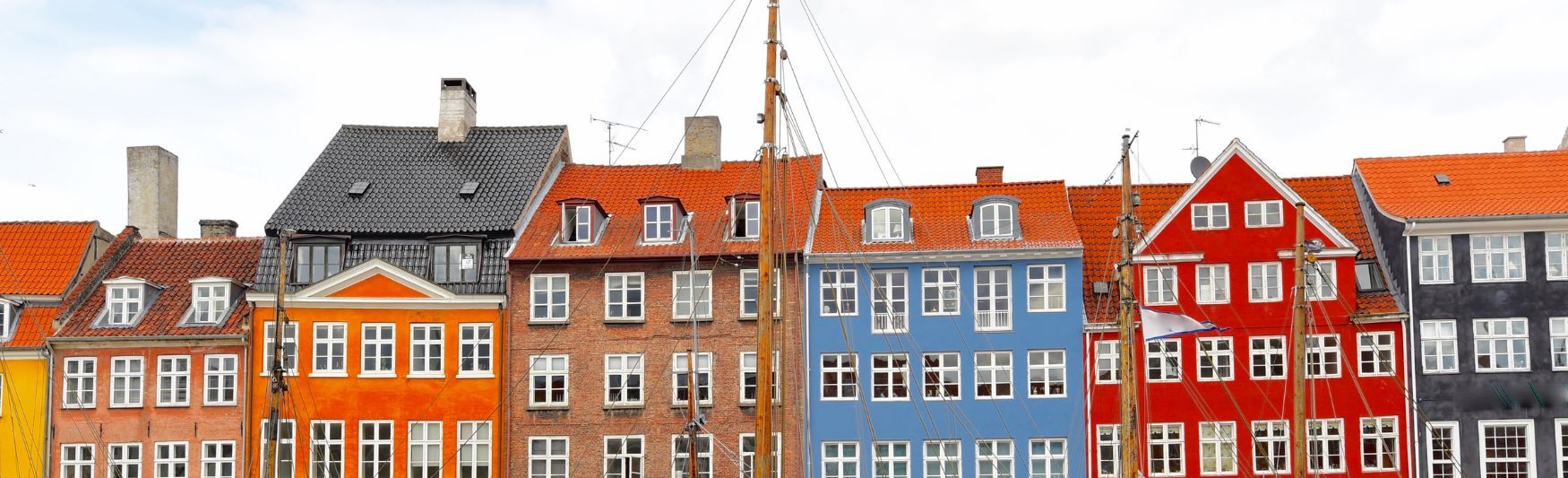
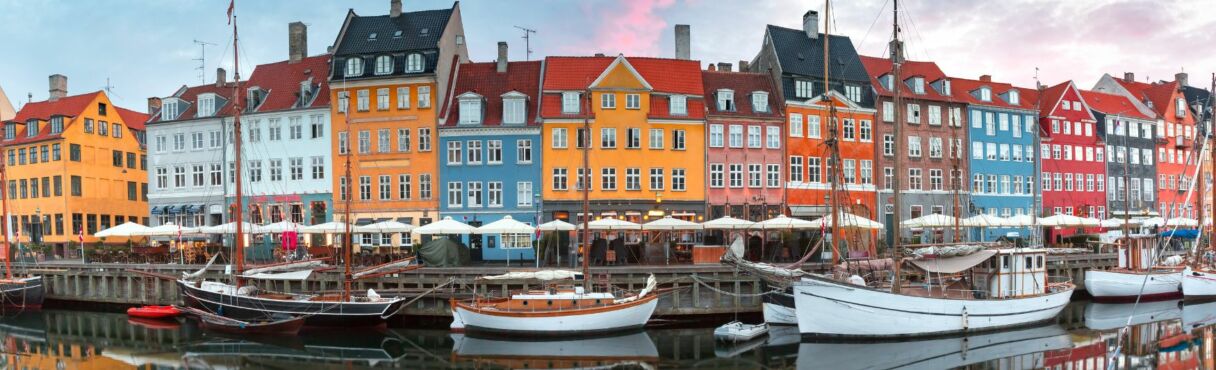
New Harbour – the famous, colorful harbor front.
King’s Square – the heart of the old city.
Amalienborg Palace – home to the Danish royal family. If we’re lucky, we might see the King’s Guard in action – a Copenhagen tradition for over 400 years.
Frederik’s Church (The Marble Church) – known for its impressive architecture and history. Originally built for the king, it’s now open to the public and admired worldwide.
The Potato Houses – historically built for poor workers, these homes are now part of Danish heritage and are known for the workers who used to grow potatoes in their gardens – something that has now become an essential part of local food traditions.
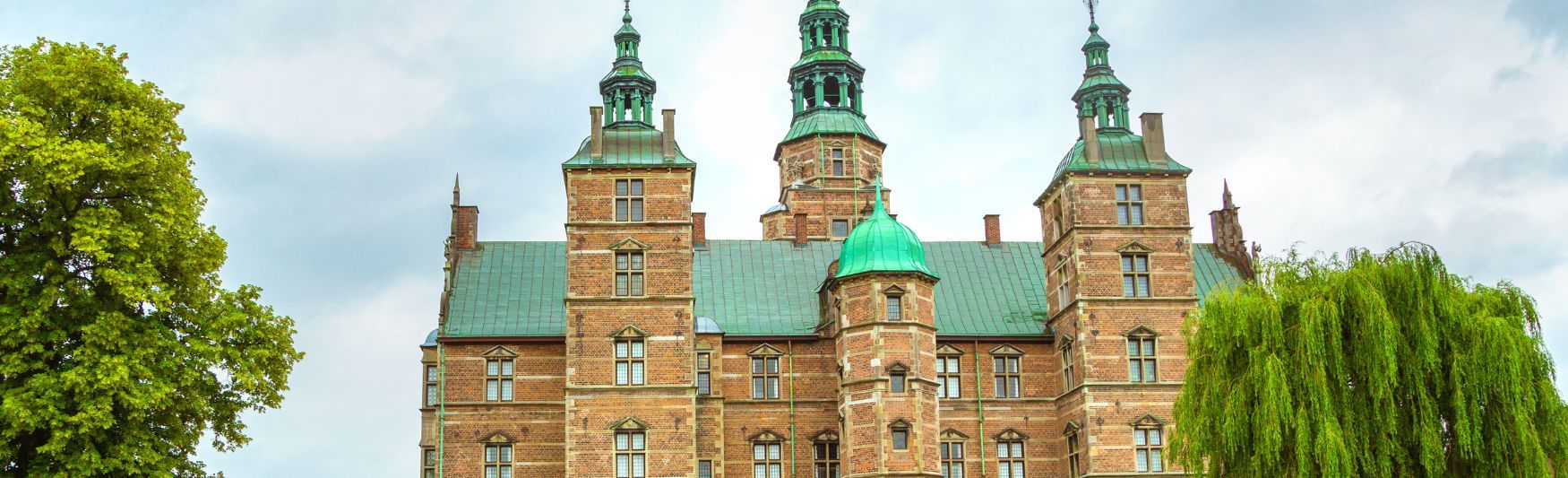
The King’s Garden and Rosenborg Castle – a favorite attraction among locals and schoolchildren, this beautiful park is home to Rosenborg Castle, which we’ll view from the outside. And the home of the king’s lifeguards.
Nørreport Station and Strøget – we’ll pass through the busiest point in Copenhagen and explore the beginning of Strøget, one of Europe’s longest pedestrian streets (1.2 km).
Market Halls – we’ll enjoy lunch here, with a wide range of high-quality international dishes and local food available.
Ørsted Park – we’ll stroll through this picturesque park and see some interesting schools on the way, from the outside and along the lakes that beautifully connect the different parts of Copenhagen.
The Lakes – we will pass by The Lakes, which beautifully connect different parts of Copenhagen. They are a popular spot for locals and are considered the city’s main area for running and outdoor activities.
By the end of this tour, participants will have a rich understanding of Copenhagen’s history, culture, and key landmarks.
Our Academy in Copenhagen
Body Mind Academy, the company in charge of delivering courses in Copenhagen, is legally established in Denmark and operates under accreditation by Europass Foundation.
All our teacher training courses in Copenhagen will take place either in the morning (9.00-14.00) or in the afternoon (14.00-19.00), depending on classroom and trainer availability.
The final schedule will be sent two weeks before the course begins. We recommend planning any cultural activities only after receiving it.
Photogallery
How to reach us
Copenhagen is primarily served by Copenhagen Airport (CPH), also known as Kastrup Airport, which is located approximately 8 kilometers away from the city center.
Learn how to pause and reflect on your purpose as an educator on the stunning Danish coast. Explore Nordic values like simplicity and balance, gaining insight into how these principles can support both personal well-being and educational practice.
Nordic Nature Retreat: a Teacher’s Retreat for Rest, Reflection, and Renewal
Gain an understanding of the responsibility to cultivate resilience strengths in order to attain a stable state of well-being. Explore strategies such as emotional management, fostering a positive mindset, and cultivating empathy and compassion.
Nordic Nature Retreat: a Teacher’s Retreat for Rest, Reflection, and Renewal
Engage in well-being and mindfulness activities outdoors, around city parks and gardens, and delve into nature-inspired activities during classes. Design a physical space and program to integrate nature into lessons and the school environment.
Nordic Nature Retreat: a Teacher’s Retreat for Rest, Reflection, and Renewal
Discover effective stress-management strategies, focusing on emotional intelligence and regulation. Learn how to cope with your own stress and know how to implement these tools in your school to reduce the stress levels of the students.
Nordic Nature Retreat: a Teacher’s Retreat for Rest, Reflection, and Renewal
Go beyond traditional leadership training by merging soft skills development with personalized coaching, strengthening essential skills such as communication, social skills, project management, and time management.
Nordic Nature Retreat: a Teacher’s Retreat for Rest, Reflection, and Renewal
Acquire stress management techniques, resilience-building skills, and coping strategies to promote personal well-being and social-emotional learning. Discover methods to create a positive learning environment.
Nordic Nature Retreat: a Teacher’s Retreat for Rest, Reflection, and Renewal
Acquire key insights into positive communication to nurture a positive mindset and alleviate negative self-talk. Reflect on how the surrounding environment can convert negative communication into positive relationships.
Nordic Nature Retreat: a Teacher’s Retreat for Rest, Reflection, and Renewal
Learn to design programs that integrate academics with character strengthening and well-being by exploring the fundamentals of Positive Psychology, along with the theories and techniques of Positive Education.
Nordic Nature Retreat: a Teacher’s Retreat for Rest, Reflection, and Renewal
Educate yourself to be a Well-being Ambassador and learn how to implement a common language of well-being. Explore the benefit of Positive Psychology and Playful Learning to build relationships and strong communities.
Nordic Nature Retreat: a Teacher’s Retreat for Rest, Reflection, and Renewal
Gain tools to cultivate self-esteem, explore pillars of self-esteem, use Nonviolent Communication techniques, and foster a Growth Mindset for personal growth.
Nordic Nature Retreat: a Teacher’s Retreat for Rest, Reflection, and Renewal
Discover the key principles and characteristics of transformational leadership, practicing emotional intelligence, active listening, and empathy within the framework of Non-Violent Communication.
Nordic Nature Retreat: a Teacher’s Retreat for Rest, Reflection, and Renewal
Discover new practical tools for climate-related teaching and reflect on your own values and habits through visits to green schools and local initiatives. Learn how to approach sustainability in education in a grounded and realistic way, drawing inspiration from real-world examples across Denmark.
Nordic Nature Retreat: a Teacher’s Retreat for Rest, Reflection, and Renewal
Copenhagen, the unique capital city of Denmark, not to mention Scandinavia’s largest city, is considered the city of fairy tales, with its gorgeous canals, excellent food, community spirit, and beer breweries. Reputed to be the happiest city in the world, Copenhagen is best known for its strong economy, sustainability, cycling culture, and, above all, happy locals within this scenic city!
An easily navigable city with a large port, accessible streets and sidewalks, wheelchair ramps, and reliable public transport. But it goes without saying that Copenhageners love their bikes, whether there is sun or rain.
Although being a dynamic metropolis and a new-coming city that we recognize today, Copenhagen has a very rich history with the first written record of existence dating back to 1043 AC and once being a small fishing village called “Havn”, meaning harbor!
Throughout the course of this city’s history, the monarchy of Valdemar the Great marked the commencement of the Nordic trading center. The most significant age of the city was the settlement of the Vikings for over a period of 300 years, who left behind these indelible traces which can still be seen in the Danish landscape.
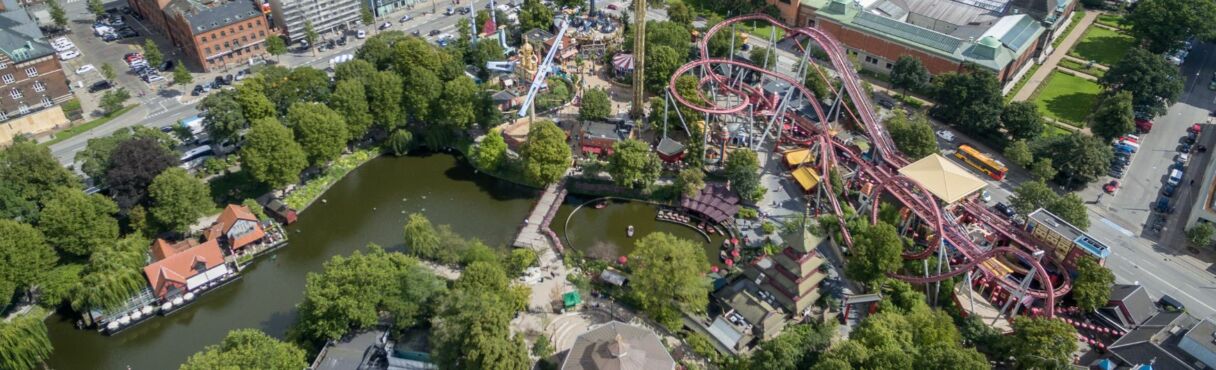
1) Tivoli Gardens
Welcome to Tivoli Gardens, where fantasy comes to life in the heart of Copenhagen. As one of the world’s oldest amusement parks, Tivoli is a magical blend of thrilling rides, enchanting gardens, and vibrant entertainment for visitors of all ages.
Step into a world of wonder and joy at Tivoli Gardens, where every corner holds a new adventure and every moment is filled with magic.
It is not hard to believe that its magical and enchanting atmosphere inspired Walt Disney to create Disney World!
This 17th-century tower and viewpoint are one of Copenhagen’s most iconic buildings, built by Christian IV and located in the center of the city. This spiral walks that lead to the gorgeous city view has been described as stepping back in time. There is also a grand library hall right next to the tower which is a gallery for exhibiting the culture, history, and science of Copenhagen.
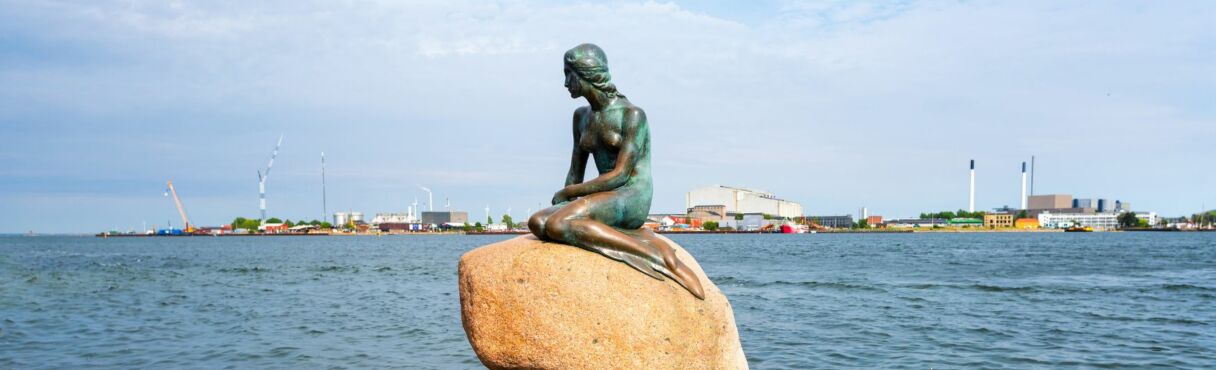
The iconic Little Mermaid is a symbol of Copenhagen’s history. She is located in one of the most beautiful spots in the city – Kastellet, one of Northern Europe’s finest and best-preserved fortresses.
Kastellet is a military base in Copenhagen that is now open to the public. Here, you can see historic Copenhagen buildings, beautiful nature, colorful flowers, and stunning views of the harbor. Walking around the entire area is about 2 kilometers.
4) Amalienborg Palace
Originally built for wealthy families, Amalienborg became the royal residence after a major fire at Christiansborg Palace—today’s Parliament. Following the fire, King Frederick V moved into Amalienborg about 300 years ago, and since then, it has been the royal family’s official residence.
Amalienborg consists of four identical buildings: one for the king and his family, one for the former queen, one used for official events, and the last one houses a museum and the former queen’s sister. The museum is definitely worth visiting if you’re interested in the history of Danish kings and queens.
Every day at 12 noon, the Royal Life Guards perform the changing of the guard a memorable and impressive experience for visitors.
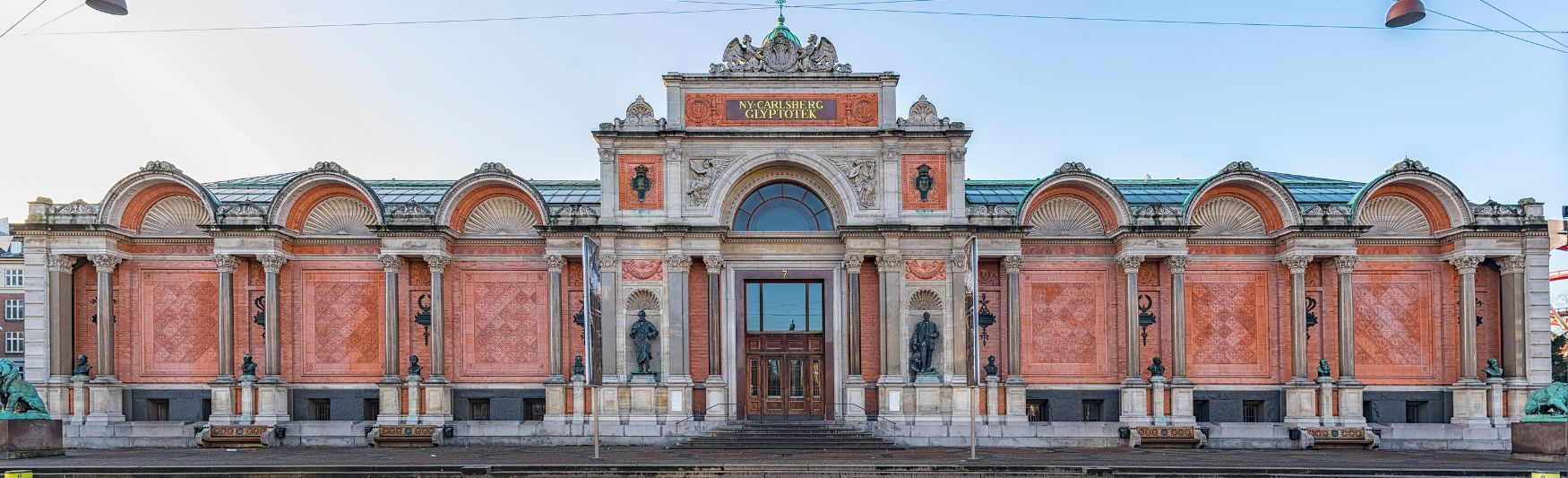
5) Ny Carlsberg Glyptotek Museum
Carl Jacobsen, the son of the founder of Carlsberg, created his own beer brand called Ny Carlsberg. He had a great passion for art, which developed as he traveled around the world seeking inspiration to improve his beer and become a leader in the brewing industry.
Along the way, he fell in love with art and began collecting pieces from across the globe. Eventually, he donated his impressive collection to the city of Copenhagen, which led to the creation of a museum featuring art from all over the world.
The National Museum is a truly fascinating place, perfect for those who want to dive deep into history—but also well-suited for visitors who prefer to focus on specific topics that interest them.
Here, you can learn about the Viking Age, as well as the various colonies Denmark once had, such as the West Indies, Iceland, and Norway. You’ll also find exhibits about Christiania and many other significant events and periods in Danish history.
This former commercial port hotspot is now known for its great restaurants, the canal, jazz music, and its charming, colored houses overlooking the water. The fairytale writer Hans Christian Andersen lived at number 20 on this very road!
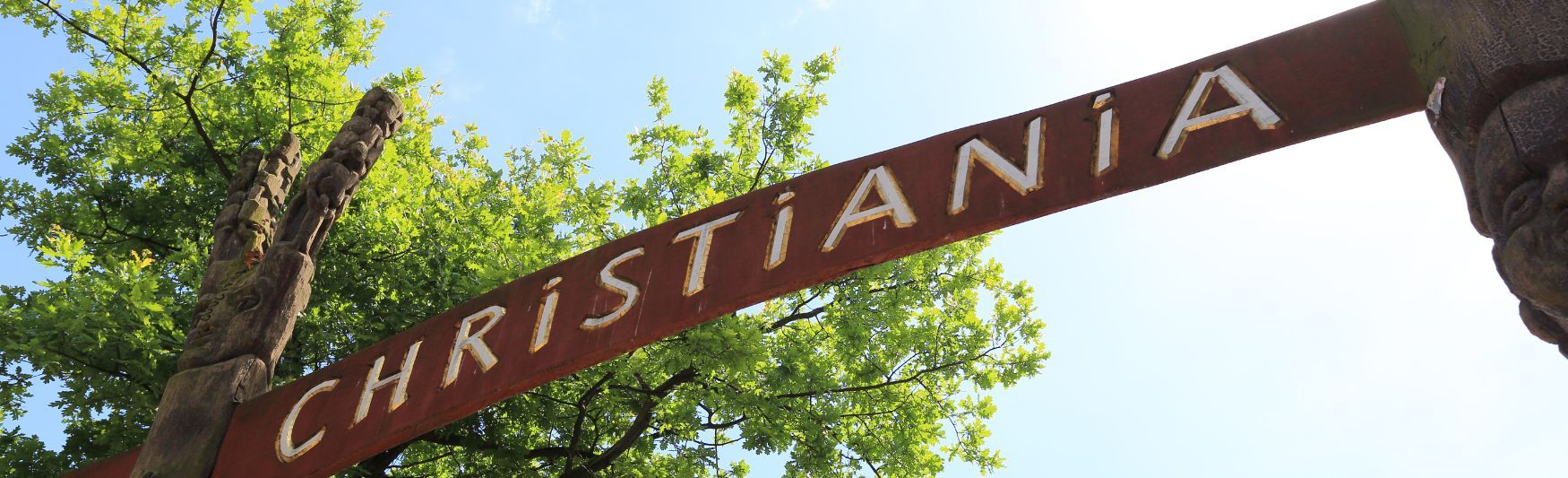
8) Christiania
The most unique attraction in Copenhagen, Christiania is a community known for its strong left-wing values—meaning that all decisions are made collectively, and everyone has an equal say.
Originally, it was an abandoned military base that was taken over by hippies and homeless people in the 70’ties who wanted to create their own independent society. After 40 years of struggles with the state, they finally succeeded, and today, right in the heart of Copenhagen, you’ll find a community that lives in a completely different way from the rest of the city.
9) The Royal Danish Opera House
It’s an architectural masterpiece nestled along the scenic waterfront. It offers breathtaking views and sets the stage for an unforgettable cultural experience. Whether you’re a seasoned opera aficionado or a first-time visitor, The Royal Danish Opera House promises an enchanting experience where artistry, architecture, and elegance converge. Elevate your cultural journey in Copenhagen with a visit to this beacon of artistic excellence.
10) Carlsberg City and Museum
One of the most unique museums in Copenhagen is the Carlsberg Museum. Here, you can explore the full story of Carlsberg—how it all started, why it was built where it is, how the brewery developed over time, and how the beer was produced. You’ll also get to see the many different beers they’ve created over the years—there are a lot!
And most importantly, you’ll have the chance to taste the beers yourself.
In recent years, a whole new city district has developed around the old brewery, now known as Carlsberg City. It’s a really cool area to explore and offers a truly unique experience in Copenhagen.
11) Rosenborg Castle
Rosenborg Castle is located in the King’s Garden (Kongens Have) and was built 400 years ago as the residence of King Christian IV – one of Denmark’s most famous kings, who also built many iconic landmarks such as Fredensborg Palace, Kronborg Castle, the Round Tower, and more.
Rosenborg is especially known for housing the crown jewels and royal regalia, including items that are still used today. These treasures are on display to the public, including the actual crown.
The castle is beautifully preserved, giving visitors a real sense of how the king lived 400 years ago. It’s set in the middle of the King’s Garden, a spacious and charming park with a relaxed and elegant atmosphere -perfect for a stroll before or after your visit.
12) Frederik’s Church (The Marble Church)
Frederik’s Church is one of the most special churches in Copenhagen. While Denmark is primarily known as a Protestant Christian country, this church is unique for its Catholic style and Greek-inspired architecture.
It was originally commissioned by King Frederik V, but the project went bankrupt and wasn’t completed until almost 100 years later.
Outside the church, you’ll find statues of several important figures from Danish history, including:
Knud the Holy, the first documented king of Denmark,
Ansgar, the missionary who brought Christianity to Denmark,
and Grundtvig, the man who helped spark the movement toward a democratic parliament, giving citizens a voice in shaping their own lives.
Open to enrollments means the course is pending confirmation. You can register now to help confirm this session, but you will need to wait for our confirmation before booking flights and accommodation.
Fully Booked means this session has reached maximum capacity and is no longer accepting new enrollments.
Confirmed means this session has reached the minimum number of participants and is guaranteed. However, you will still need to wait for our confirmation before booking flights and accommodation.

 Please wait, we're loading the information about the courses. It could take few seconds.